Introduction
Living with an ostomy can be a profound trip that includes not only physical adjustments but also significant mental changes. An ostomy, which entails the production of an opening (stoma) for physical waste to exit with the stomach wall, is usually required by medical conditions like cancer, inflammatory bowel condition, or injury. While many sources supply comprehensive info regarding stoma care and monitoring-- such as ndis complex bowel care training, complex digestive tract treatment courses, and stoma care training for carers-- the psychological effects are just as vital yet typically overlooked.
In this post, we will check out the myriad emotional aspects of dealing with an ostomy. We'll delve into psychological obstacles, coping strategies, support systems, and instructional sources offered for patients and caretakers alike. By enhancing recognition and understanding of these mental dimensions, we aim to foster empathy and give practical recommendations for those navigating this life-altering experience.
Understanding the Psychological Facets of Coping With an Ostomy
Living with a stoma can stimulate a wide variety of feelings-- from anxiety and anxiety to relief and gratitude. Comprehending these feelings is critical for both individuals coping with an ostomy and their caregivers. It is necessary to identify that every person's trip is one-of-a-kind; some may adapt quickly while others may battle over time.
The Preliminary Shock: Emotional Actions Post-Surgery
When first identified or after surgical procedure, individuals might experience shock. This response is entirely regular as they process their new reality:
- Fear of the Unidentified: Many individuals fear what living with a stoma involves. Questions develop like "What will my life resemble now?" or "Will I ever feel typical once more?" Grief Over Loss: The loss of bodily autonomy can bring about sorrow over one's previous self-image or lifestyle. Anxiety: Issues regarding social situations, hygiene, or possible problems can create overwhelming anxiety.
These first responses are typically compounded by misinformation or absence of assistance from household and friends.
Coping Mechanisms: Searching for Balance in Life After Surgery
To browse this psychological tumult, individuals can embrace numerous coping systems:
Education: Comprehending what a stoma is-- what it involves in terms of day-to-day care (ostomy care)-- can significantly lower anxiousness. Resources such as bowel care courses and particular stoma treatment training programs boost knowledge.
Support Groups: Getting in touch with others who share similar experiences can aid stabilize feelings. Peer support groups use safe areas to share sensations without judgment.
Therapy: Specialist therapy can offer tools to handle depression or anxiety effectively.
Mindfulness & Leisure Strategies: Practices such as yoga or reflection can aid ground individuals among psychological turbulence.
Social Effects: Browsing Relationships Post-Ostomy
The social implications post-surgery can not be downplayed:
- Fear of Judgment: People may worry about just how others view their stoma or concern ridicule. Changes in Affection: Romantic partnerships could face difficulties because of body image problems or anxiety connected with intimacy.
Understanding these social dynamics is essential in rebuilding one's confidence and promoting healthy relationships.
Building Support Networks: Function of Household & Friends
Support from enjoyed ones plays a pivotal role in healing:
- Encourage open conversations about worries and worries connected to ostomy care. Educate family members on what dealing with a stoma entails so they can provide enlightened support.
Engaging in tasks with each other that distract from concerns can additionally strengthen bonds.
Educational Resources: Training & Assistance for Ostomy Care
Importance of Stoma Care Training for Carers
Caregivers play an essential duty in the lives of those dealing with an ostomy. Their capacity to take care of day-to-day jobs efficiently depends upon comprehensive training:
- Training programs such as the ndis complex bowel care training make certain that caregivers understand how to provide proper support while valuing the dignity and freedom of their patients. Knowledge obtained with these programs helps infuse confidence not just in caregivers but also in patients themselves, alleviating anxiety related to ostomy management.
Complex Bowel Care Course: What You Need to Know
For those associated with looking after individuals requiring specialized bowel management:
A comprehensive understanding of bowel wellness is crucial. Courses typically cover subjects such as dietary factors to consider, hygiene practices, and emergency situation procedures associated with bowel complications. Completing such courses boosts one's capability to manage unforeseen circumstances effectively.Bowel Treatment Management Techniques: Methods for Success
Effective bowel care management goes together with emotional health:
- Establishing routines around bowel practices can promote a sense of control. Dietary changes based upon professional guidance add positively toward general health.
By incorporating self-care methods right into daily routines, individuals find empowerment amidst uncertainty.
FAQs About Living With an Ostomy
1. What is a stoma?
A stoma is a surgically developed opening on the abdomen where waste leaves the body when typical elimination pathways are interrupted because of ailment or injury.
2. What is ostomy care?
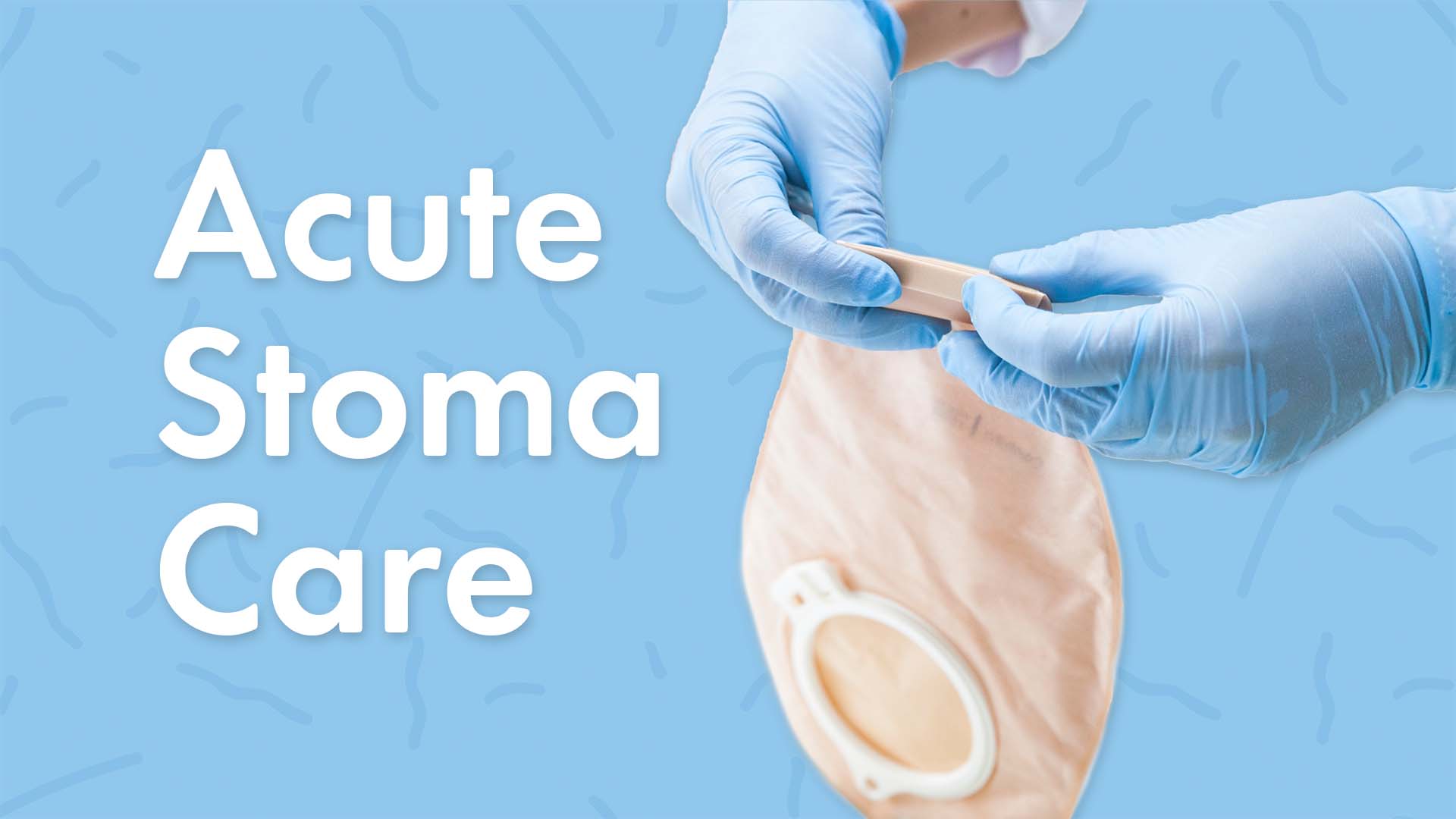
Ostomy care includes handling the stoma site by ensuring cleanliness, transforming bags frequently, keeping track of skin stability around complex bowel care course the stoma, and dealing with any complications promptly.
3. Exactly how does one deal psychologically after obtaining an ostomy?
Coping methods consist of enlightening oneself regarding ostomies through courses like complex bowel care training, seeking peer support system, taking part in therapy if required, and practicing mindfulness techniques.
4. Can I live usually after having an ostomy?
Yes! While there may be changes needed at first concerning diet or daily regimens, many people go back to normal tasks-- consisting of work and social engagements-- after adapting to their new circumstances.
5. What resources are offered for caregivers?
Caregivers can access customized courses like stoma care training tailored especially for helping those coping with ostomies effectively while maintaining dignity throughout caregiving scenarios.
6. Exactly how do I find support system near me?
Many medical facilities have outreach programs using support system; online systems additionally hold forums committed specifically to people dealing with ostomies where you can attach virtually.
Conclusion
Navigating life post-ostomy requires dealing with both physical needs with appropriate stoma monitoring techniques-- like those taught in numerous instructional programs-- and psychological adjustments vital for general well-being. Acknowledging that emotional responses stand enables individuals influenced by surgery-- not just literally but psychologically-- to seek appropriate sources customized toward assisting them grow rather than just survive post-surgery experiences.
Understanding the psychological facets greatly improves one's lifestyle complying with surgical procedure while emphasizing that hope exists ahead-- a meeting life awaits after adjusting efficiently! This journey does not have to be traveled alone; helpful networks exist prepared every which way ensuring no person really feels separated throughout this transitional duration full of unpredictabilities yet abundant opportunities too!
This article aims not simply at notifying but empowering visitors navigating life changes triggered by having an ostomy-- highlighting strength found within neighborhood connections built along paths leading towards healing trips full circle!